
Kanyakumari was also known as the Alexandria of the east. This place was a great center for art, culture, civilization, commerce, trade and pilgrimage for the years. During the early part of the eighth century AD Islam entered the southern part of India through the sea route with traders and missionaries. Christianity arrived at this place in 52 AD through St. Thomas, one of the twelve Apostles of Christ. Islam, Christianity and Jainism have greatly contributed to the architectural wealth and literary heritage of this place. The Cholas, Cheras, Pandyas and Nayaks who were the great rulers of south India also controlled Kanyakumari. All the famous temples were built during their rule which are known for their architectural beauty. During the British Raj, the Britishers gave the name Cape Comorin. It may be due to their inability to pronounce the local name. According to the legends the Kanya Devi, an avatar of goddess Parvati undertook penance to gain the hand of Lord Shiva in marriage. But the Lord Shiva did not turn up at the auspicious time and the wedding never took place. The rice and cereals meant for the marriage remained uncooked. The disappointed goddess decided to spend her life in Kanyakumari as a virgin, and all the food prepared for the wedding was wasted and that it turned into the colored sand which can be seen on the southern shores of the subcontinent.
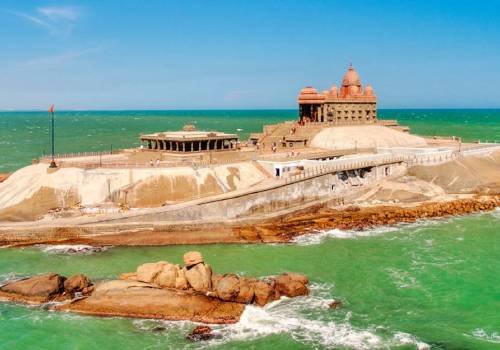
THE VIVEKANANDA ROCKE MEMORIAL
Built-in 1970, the Vivekananda Rock Memorial is one of the finest pieces of human endeavor at architecture in Southern India. Situated on a rock island, Vivekananda Rock Memorial is a major tourist attraction in Kanyakumari and houses the statue of the great preacher Swami Vivekananda.
People believe that Swami Vivekananda swam to this small rocky island and meditated here in his quest for enlightenment. The Shripada Mandapam, having a study hall and a museum, and the Vivekananda Mandapam add to the spiritual significance and purity of the memorial.
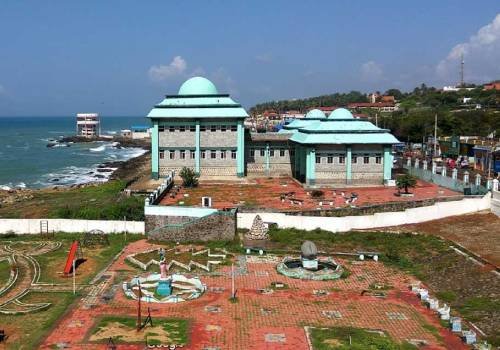
KAMARAJAR MANIMANDAPAM
Kamarajar Manimandapam is a monument dedicated to Sri Kamarajar, in the district of Kanyakumari. Popularly known as the ‘Black Gandhi’, he was the erstwhile Chief Minister of Tamil Nadu, who served the state for a long period.
He played a major role in the Indian freedom movement and was the President of the Indian National Congress before independence. He was also awarded India’s highest civilian honour – Bharat Ratna, for his work in the field of education (free education to rural kids). After his death, his ashes were kept at the site of the present-day memorial before being immersed in the sea, for people to pay their homage.
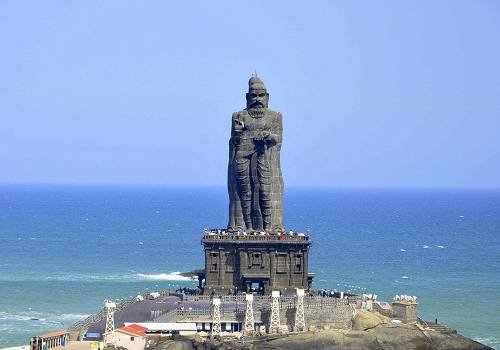
THIRUVALLUVAR
Thiruvalluvar was a noted poet and philosopher, known for his contribution to Tamil literature. He is globally renowned for his work Thirukkural, which is a collection of 1330 Tamil couplets. The Thiruvalluvar Statue was built in the memory of this great man and stands atop a small island rock, about 400 meters away from the coastline of Kanyakumari. The creator of this marvelous statue was Dr. V. Ganapati Sthapati, who also made the Iraivan Temple. This spot was opened to the public on 1st January 2000, and since then, it has been attracting people from near and far.
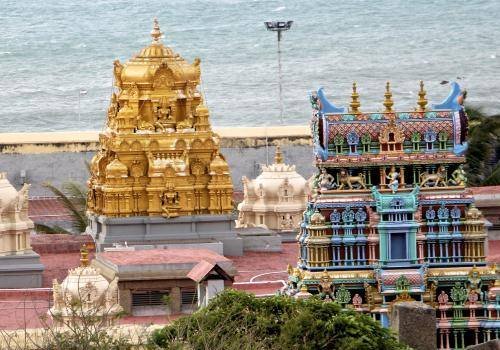
KUMARI AMMAN TEMPLE
It’s Also known as the Kumari Amman Temple, the Kanyakumari Temple is dedicated to the goddess Devi Kumari Amman. The temple is of great religious importance and thousands throng the temple complex to pay their respects and seek the blessings of the goddess.
The significance of this temple lies in the fact that it is a Shakti Peetha and legend has it that pieces of Goddess Durga’s body fell here during the great Shiva Tandav dance. The temple houses an opulent black statue of the deity.
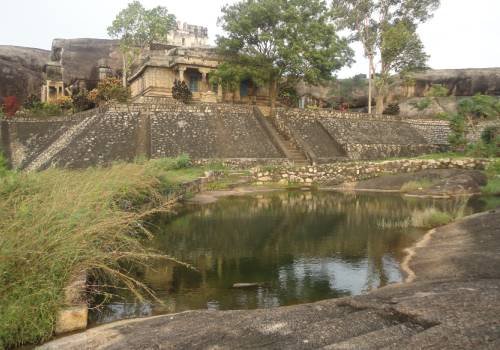
CHITHARAL JAIN MONUMENTS
These monuments and temples are an effigy to the diversity of the culture and the religions existing in harmony in India. Sitharal Jain Monuments are one of these culturally rich monuments.
Almost every day, you can see people who are traveling to Sitharal Jain Monuments to honor their gods and values. This monument draws the attention of a large number of visitors with its spectacular mesmerizing divine and spiritual values.
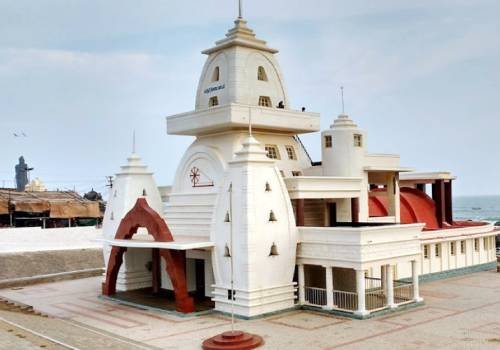
MAHATMA GANDHI MEMORIAL
Mahatma Gandhi Memorial in Kanyakumari is a popular tourist hotspot constructed in the year 1956. It was built in the memory of preeminent Indian leader, Mohandas Karamchand Gandhi, who is popularly known as the Father of the Nation. After his assassination in 1948, his ashes were immersed in Triveni Sangam (confluence of the Arabian Sea, Indian Ocean and Bay of Bengal) in Kanyakumari. However, before the process of immersion, the urn containing his ashes was kept here for the public to pay their homage.
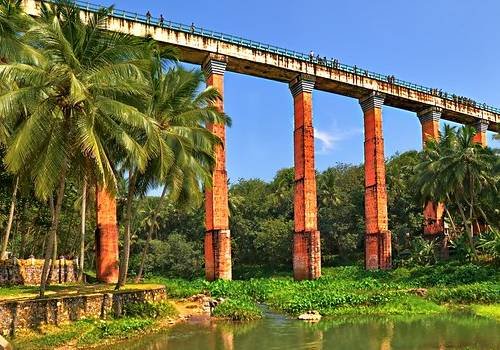
MATHUR AQUEDUCT
Measuring a kilometer in length and 115 feet in height, Mathur Aqueduct or Mathur Hanging Trough is among the longest and tallest trough bridges in Asia. This imposing structure was constructed in 1966 over the Parazhiyar River (also called Pahrali) in Mathoor – a small hamlet in Aruvikkarai.
It was due to the efforts of the former Chief Minister Thiru K. Kamaraj that this bridge was constructed for agricultural development and as a drought relief measure. This concrete structure is supported by 28 huge pillars and carries water for irrigation from Pattanamkal Canal (from one side of the hill to another).
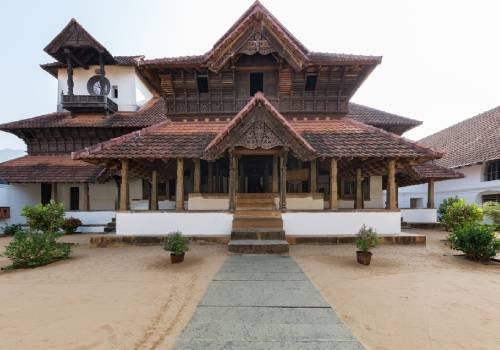
PADMANABHAPURAM PALACE
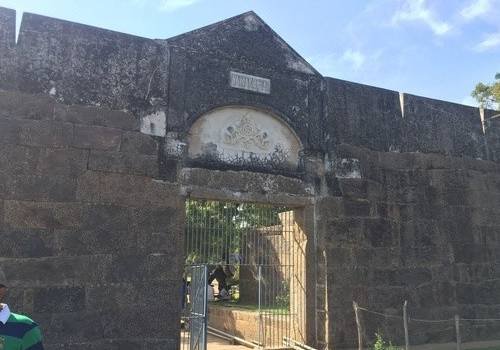
Believed to have been established in the 16th century, the Padmanabhapuram Palace is a unique wooden edifice. It is enclosed within a granite fortress called the Padmanabhapuram Fort and is situated at the base of Veli Hill, about 35 km from Kanyakumari. Flaunting exquisite Kerala style of architecture, this palace served as the former residence of the Travancore rulers.
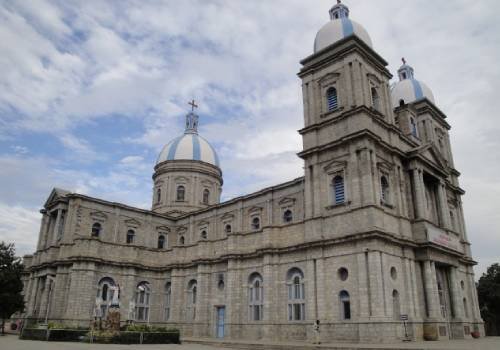
ST. XAVIER'S CATHEDRAL CHURCH
St. Xavier’s Cathedral, built during the 16th century, is a revered place in Kottar. This Roman Catholic Church is dedicated to St. Francis Xavier, a professor from Paris, who was endearingly known as Valiya Pandaram. It is believed that during his stay in Kottar, he stopped the Padagas invasion on the Venad kingdom with just his Holy Cross. Quite pleased with this act, the king Unni Kerala Varma allotted him a huge area to build a church.
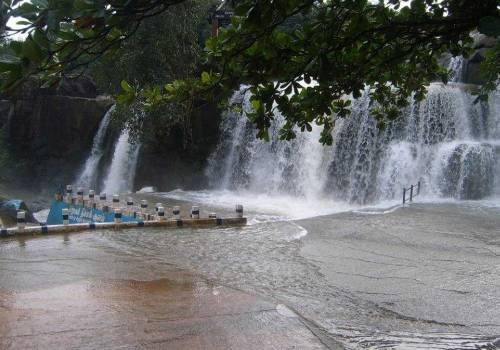
THIRPARAPPU FALLS
Kanyakumari is a place where travellers have ample things to do and explore. One such popular spot in the city is the Thirparappu Falls, which is around 35 kilometres away from Nagercoil. This waterfall originates from the Kodayar River or Kothai River and descends at Thirparappu from a height of around 50 feet.
Also known as Kumari Kuttalam, this cascade stretches up to a length of 300 feet and forms a pool at the base. It is an ideal place for kids and adults alike, where they can enjoy swimming. Recently, the District Administration constructed a swimming pool especially for kids here.
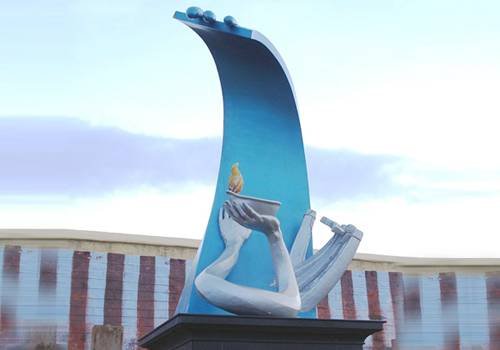
TSUNAMI MONUMENT
The Tsunami Monument is a unique structure, located near the southern shore in Kanyakumari. As the name suggests, this monument was built in the memory of those who died in the 2004 Indian Ocean earthquake and tsunami. The earthquake affected many countries, including India, Sri Lanka, Somalia, Thailand, Maldives and Indonesia.
THE WAX MUSEUM
The Wax Museum is definitely is one of its kind Museums that stands above the rest in terms of creativity. It is situated in Kanyakumari region in the city of Baywatch.
The museum houses all the important figures of Indian History as well as the world history in wax form. The wax figures are realistic and the Wax Museum is reminiscent of its famous counterpart in London. There are also many current international figures like the wax counterpart of Arnold Schwarzenegger..