
During the rule of the British this town was called Trichinopoly. Today it is Tiruchirappalli and is also called Tiruchirappalli for short. This city is situated on the banks of the Kaveri river. Tiruchirappalli is the fourth largest city in the state and it was a citadel of the early Chola rulers which later fell to the Pallavas kings. The Pallavas never really managed to retain control of this strategic city and lost it to the Pandyas several times. The struggle for power between the Pallavas and Pandyas continued till the 10th century as the Cholas asserted and assumed rule for a long time. Tiruchirappalli is 325 km from Chennai.
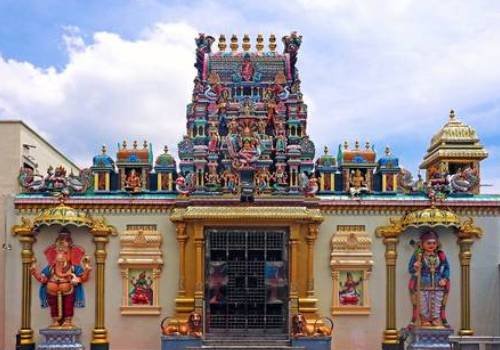
SAMAYAPURAM MARIAMMAN TEMPLE
Samayapuram Mariamman Temple is a Hindu temple in Samayapuram near Tiruchirappalli in Tamil Nadu, India. The main deity, Samayapurathal or Mariamman is made of sand and clay like many of the traditional Mariamman deities, and hence unlike many other Hindu deities there are no abhishekams (sacred washing) conducted to the main deity, but instead, the “abishekam” is done to the small stone statue in front of it.
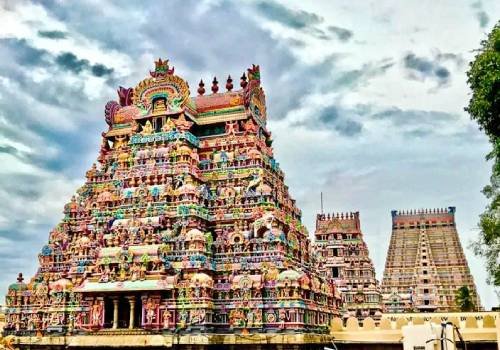
SRI RANGAM TEMPLE
Srirangam is the foremost of the eight self-manifested shrines (Swayam Vyakta Kshetras) of Lord Vishnu. It is also considered the first, foremost and most important of the 108 main Vishnu temples (Divyadesams). This temple is also known as Thiruvaranga Tirupati, Periyakoil, Bhoologa Vaikundam, Bhogamandabam. In the Vaishnava parlance, the term “KOIL” signifies this temple only. The temple is enormous in size. The temple complex is 156 acres in extent. It has seven prakaras or enclosures. These enclosures are formed by thick and huge rampart walls which run round the sanctum. There are 21 magnificent towers in all prakaras providing a unique sight to any visitor. this temple lies on an islet formed by the twin rivers Cauvery and Coleroon.
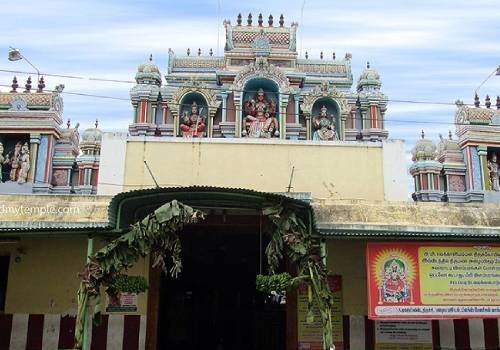
THE VEKKALIAMMAN TEMPLE
The Vekkaliamman Temple is located at Woraiyur which is at a distance of 7 km from Trichy. The temple which is a seat of the Cholas is an important pilgrimage centre. The most significant feature of the temple is that the main deity of the temple has no roof over her head. It is said that the reason behind this is because the Goddess Vekkaliamman asked her devotees not to build a roof over her deity until every human on earth has a roof over their head. Many devotees visit the place on Tuesday and Friday which are considered to be special days of the temple.
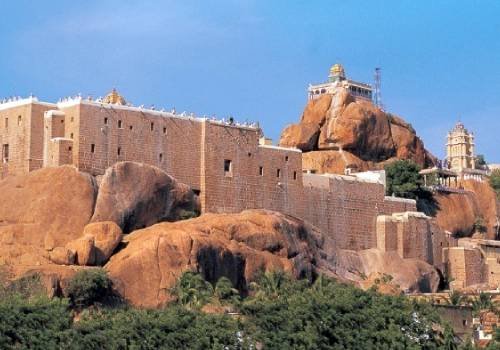
MALAKOTTAI TEMPLE
One can have a full pleasant view of the Tiruchi city from the 275 feet tall hill top. There are 417 steps to reach the hill temple. The 1000 pillared mandap in the temple is very beautiful where weddings are celebrated. The hill fort was built during the rule of Mahendra Pallava-Gunaparan during the sixth century according to epigraphic evidences. The Thayumanavar temple at the foot of the hill is one of the celebrated Shiva temples of the state praised in Thevaram hymns.
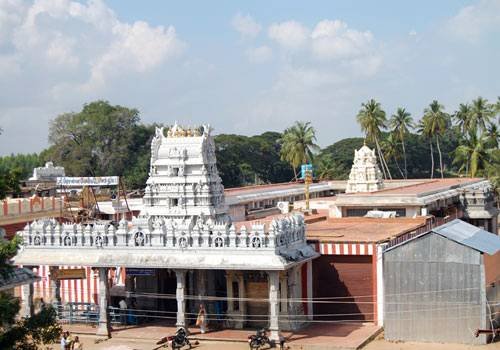
GUNASEELAM TEMPLE
The Gunaseelam Temple is consigned to Lord Vishnu and is located on the banks of the river Kaveri. The temple is believed to cure mentally challenged children in 48 days hence they are left over there for that period. The temple’s main deity is Lord Prasanna Venkatachalapathi. A sannidhi for Viganasar is found within the premises of the temple. It is said that Lord Venkateshwara blessed Viganasar with Brahminhood in the premises of this temple.
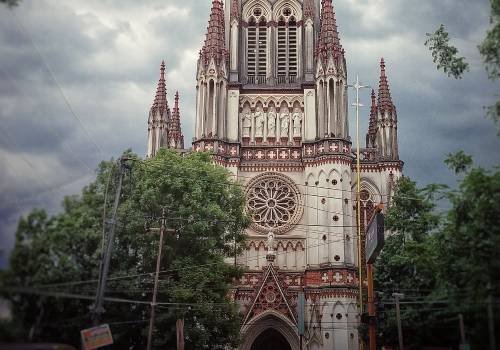
ST JOSEPH’S CHURCH
St Joseph’s Church is one of the most popular churches of Trichy. Constructed in the year 1792, the church is one of the oldest in India. Schwartz had built the church with the funding of British Garrison. This church was used by the British in their mission to spread Christianity. The church is located near Teppakulam which is in the centre of the city. The church is located in close proximity to the Maingaurd Gate, the St. Joseph’s Church.
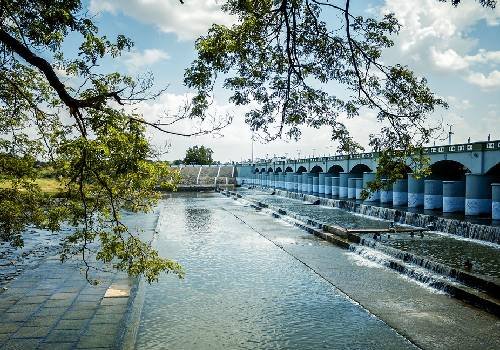
KALLANNAI DAM
Kallanai Dam which is also known as Grand Anicut is constructed over the River Kaveri. The area covered by the dam is 146.70 sq km. The dam was built in the 1st century AD by King Karikalan of the Chola Dynasty and is believed to be the oldest water regulating structure of the world which is being used even to this day. The name Kallanai dam means stone dam which comes from the material used to build the structure. The dam is 329 m long and 20 m wide. The dam breaks into two channels on reaching the Sri Rangam Island and the northern channel which is called Kollidam ends at Poompuhar into the Bay of Bengal.